Note: This was first published as a feature article in DogFancy magazine.
If you are an animal lover, there is a good chance that you are on the mailing list of at least one animal welfare group. Periodically you probably receive a form letter from an organization that wants you to help stop pet overpopulation. The computer-generated letter includes a personalized greeting, a simulation of the spokesperson’s signature, pictures of either adorable puppies and kittens or abused, emaciated dogs and cats – and lots of statistics. The obvious purpose of the photographs is to gain your sympathy. The statistics are there to prove that there is a real problem with animal overpopulation and that this particular group is the one most worthy of your support. Your generous donation will help these nice people solve the overpopulation problem and help the animals – or will it?
 would taunt her as she stood on the steps and demanded that I come in the house. What’s a mother to do? Teach the little demon how to read. She would lie in bed and hold the book for me as we went from one word to the other. I loved looking at words and finding their secrets. I am the proud owner of a 1908 unabridged Webster’s, leather bound library dictionary, well worn. I still read it.
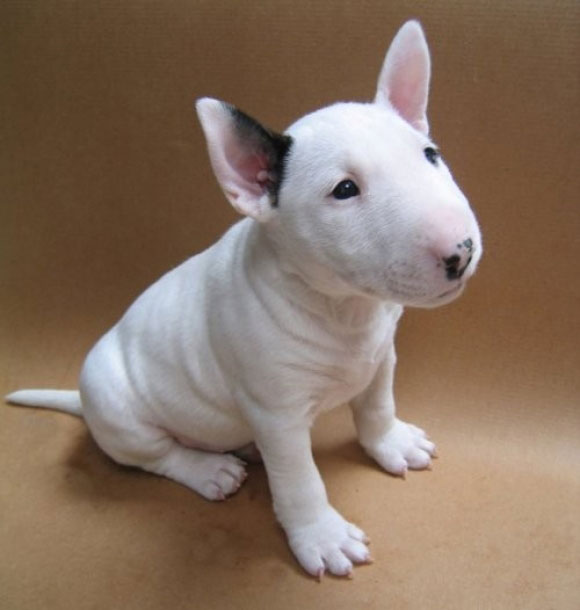 veterinary literature, you will find reports of Bull Terriers who destructively bite their own tails. These dogs are so persistent that they often do enough damage to require removal of the tail. The odd thing about this disorder is that removing the tail may not stop the behavior. Some dogs continue to bite at the place where a tail should be. In veterinary circles, this behavior is considered neurological, in origin. In common terms this type of behavior is usually labeled “nutso”.